


If you are facing reckless driving in NC, here is the direct answer. Reckless driving in North Carolina is a Class 2 misdemeanor under state law, and a conviction can mean up to 60 days behind the possibility of jail, a fine, four points on your license, and higher insurance costs. It is a criminal charge, not a simple ticket, so it stays on both your criminal record and your driving record until you take steps to address it.
You may have been pulled over after a fast pass on the highway, a close call in traffic, or a crash, and now you are wondering what happens next. We work with people across Wake, Johnston, and Durham counties who are in exactly that spot, and we want you to understand your options before your court date.
Here is a short list you can act on today.
- Write down everything you remember about the stop while it is fresh, including the road, the weather, and what the officer said.
- Find your citation and note the exact charge, the court date, and the county listed on it.
- Do not pay the ticket online as an admission, because paying can count as a guilty plea to a criminal charge.
- Request a copy of any dashcam or bodycam footage and the officer notes as early as you can.
- Talk with a defense lawyer about whether a reduction or dismissal is realistic in your case.
What Counts as Reckless Driving in North Carolina
Reckless driving is defined in North Carolina’s reckless driving statute, and the law describes it in two ways.
You can be charged for driving carelessly and heedlessly in willful or wanton disregard of the rights or safety of others, or for driving without due caution at a speed or in a manner that endangers people or property.
According to the North Carolina General Assembly, both forms of reckless driving are Class 2 misdemeanors. The charge can apply on any highway and in any public vehicular area, which includes parking lots, private roads open to the public, and similar spaces.
The Willful and Wanton Standard
The first version of the charge focuses on your state of mind, not just your speed. Prosecutors look for conduct that shows you knew the risk and pushed ahead anyway, such as weaving through heavy traffic at high speed.
This standard is subjective, which cuts both ways. It gives the state room to argue, and it gives you room to challenge how an officer read the moment.
The Without Due Caution Standard
The second version looks at the manner of your driving and whether it was likely to endanger a person or property. You do not have to intend harm for this version to apply.
Officers often lean on this standard after a crash or a near miss. The facts of the road, the traffic, and the conditions all matter here.
Reckless Driving Is Not Just Speeding

Speeding alone is usually a separate infraction, but very high speeds can trigger a reckless driving charge. In many cases we see, an officer writes both a speeding citation and a reckless driving charge from the same stop.
Speed is a serious factor on our roads. The National Highway Traffic Safety Administration reports that speeding was a contributing factor in 29 percent of all traffic fatalities in 2024, when 11,288 people died in speeding-related crashes.
Numbers like that help explain why officers and prosecutors treat these cases with weight.
Penalties for Reckless Driving in NC
The base charge is a Class 2 misdemeanor, and the sentence depends on your prior record.
For most people with little or no record, the outcome is community punishment rather than active jail, though the maximum exposure is real.
The Standard Class 2 Penalty
A Class 2 misdemeanor in North Carolina carries a maximum of 60 days and a fine of up to $1,000 in the court’s discretion.
A first-time offender with no prior convictions usually faces the lower end of the range, which often means costs, court fees, and probation rather than jail.
The exact result still turns on the facts and the county. That is why the same charge can end very differently for two different people.
When the Charge Becomes More Serious
The class of the offense can rise when someone gets hurt.
Under the statute, reckless driving that causes serious injury is a Class 1 misdemeanor, and reckless driving that causes serious bodily injury is a Class A1 misdemeanor.
These higher classes carry longer maximum sentences and heavier consequences. If your case involves an injury, the stakes are higher and the defense approach changes.
The sooner we look at your case, the more room there is to shape the outcome. Reach out before your court date so nothing important slips by.
Call us at (919) 457-1954 or visit our contact page to schedule a consultation. We are ready to listen and help you move forward.
License Points and Insurance
A reckless driving conviction adds four points to your North Carolina driving record, as listed in the state point schedule set in North Carolina law. When you reach 12 points within a three-year period, the Division of Motor Vehicles can suspend your license.
Insurance points are assessed separately under the Safe Driver Incentive Plan, and they can raise your premiums for years. This financial hit is often the part people feel the longest.
Reckless Driving Penalty Comparison
| Charge | Offense Class | Maximum Jail Exposure | License Points |
| Reckless driving, standard | Class 2 misdemeanor | Up to 60 days | 4 points |
| Reckless driving causing serious injury | Class 1 misdemeanor | Up to 120 days | 4 points |
| Reckless driving causing serious bodily injury | Class A1 misdemeanor | Up to 150 days | 4 points |
| Speeding, common companion charge | Infraction | None | 2 to 3 points |
How Reckless Driving Charges Often Play Out
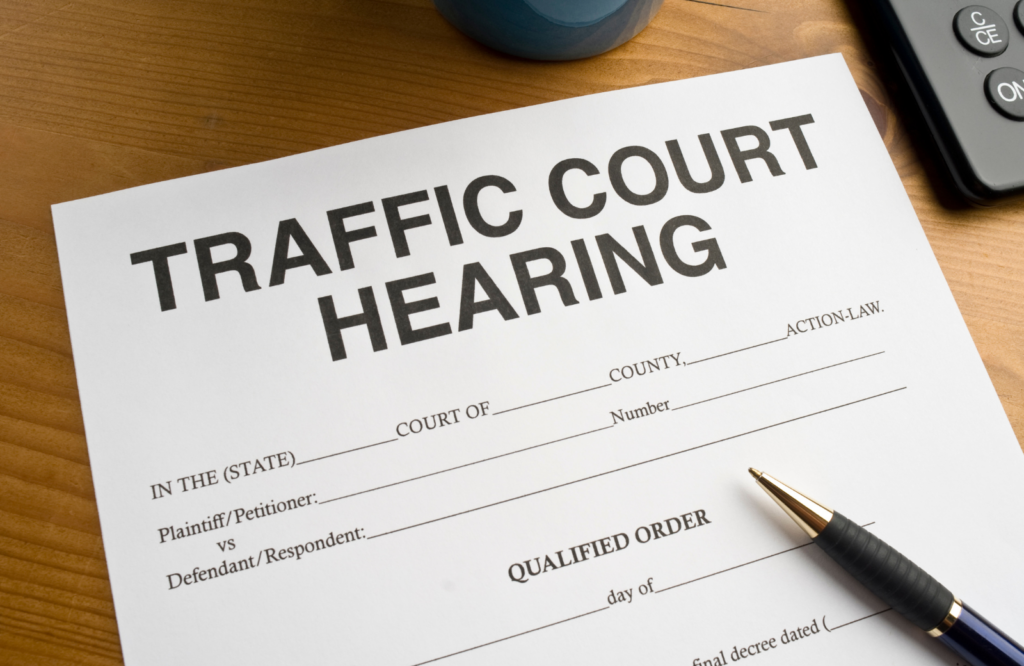
A charge is a starting point, not a conclusion. Prosecutors have discretion, and many reckless driving cases move, change, or fall apart once someone looks closely at the evidence.
Reductions to a Lesser Offense
In many counties, a reckless driving charge can be reduced to a lesser offense such as improper equipment, which carries no license points. A reduction depends on your record, the facts, and the local district attorney, so no outcome is promised.
We look at whether a reduction is realistic in your specific case. When it is, it can protect both your license and your insurance.
Dismissals and Weak Evidence
Some cases end in dismissal when the state cannot prove the elements. The officer may not appear, the stop may have legal problems, or the evidence of willful or wanton conduct may be thin.
You have the right to make the state prove its case. That right has real value when the proof is shaky.
Common Defenses We Explore
- The driving did not rise to the willful or wanton standard the statute requires.
- Road, weather, or traffic conditions explain the movement the officer saw.
- The officer lacked a lawful basis for the stop.
- Radar or pacing evidence was unreliable or poorly documented.
- Another driver or a road hazard caused the incident.
Why a Court Date Matters
Ignoring the charge can turn a manageable problem into a bigger one. A failure to appear can lead to a separate charge and a license hold.
Showing up prepared, or having us appear for you where allowed, keeps your options open. That is the moment where a good outcome usually starts.
Reckless Driving Compared to Related Traffic Charges
Reckless driving often shows up alongside other traffic charges, and the differences matter. Knowing how these charges relate helps you understand what you are actually facing.
Aggressive Driving
Aggressive driving involves speeding combined with two or more other violations, such as running a red light or following too closely. It is a separate offense that can carry its own points and penalties.
Officers sometimes choose between aggressive driving and reckless driving based on what they saw. The label on your citation shapes the defense.
Careless Driving and Speeding
Speeding on its own is an infraction, not a criminal charge, though very high speeds can support a reckless driving count. A reduction from reckless driving to a lesser offense can move your case out of criminal territory.
These distinctions are not just wording. They affect points, insurance, and whether the matter is criminal at all.
Why the Charge on Your Ticket Matters
Two drivers who did similar things can end up with different charges. The officer’s choice, the county, and the facts all influence where your case starts.
We read the citation closely and look for room to move the charge down. That single step can change the entire outcome.
What Officers Look For During a Reckless Driving Stop
Most reckless driving cases are built from what an officer observed and recorded. Understanding those pieces helps you see where a case can be challenged.
The Officer’s Report
The report captures the officer’s version of what happened, often written after the stop. Details that are vague, inconsistent, or added later can weaken the state’s case.
We compare the report against the other evidence. Gaps between them can create reasonable doubt.
Radar, Pacing, and Speed Estimates
When speed is part of the charge, the method used to measure it matters. Radar, lidar, and pacing all have requirements, and mistakes in how they are used can be challenged.
A speed estimate is not automatically reliable. We look at calibration, training, and road conditions.
Dashcam and Bodycam Footage
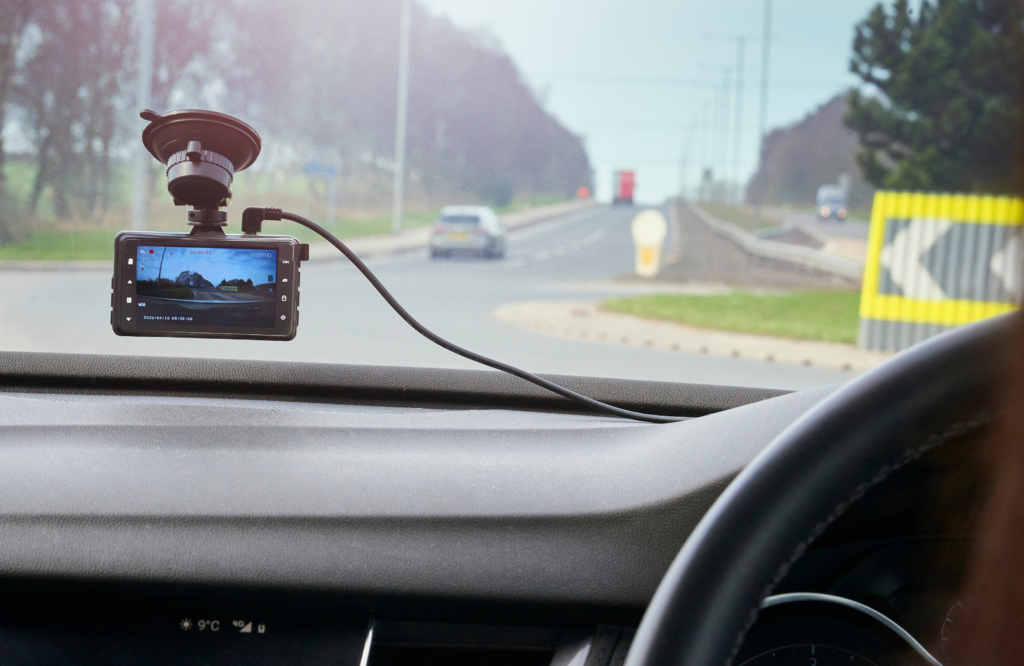
Video can help or hurt, and it does not always match the report. Footage sometimes shows steady driving or conditions that explain what the officer saw.
We request this footage early so nothing is lost. It can be one of the most useful tools in your defense.
What to Expect After a Reckless Driving Charge
Most people have never been through the criminal process, and the unknown is stressful. Knowing the general path helps you feel less blindsided.
The Court Process in District Court
Reckless driving is handled in district court in the county where the charge occurred. Your first date is usually an administrative setting where the case is scheduled, not decided.
From there, we can talk with the prosecutor, review evidence, and decide whether to negotiate or set the case for trial. This takes time, and patience often works in your favor.
How Long It Stays on Your Record
A reckless driving conviction does not disappear on its own. It stays on your criminal record and your driving record unless you become eligible to have the record cleared later.
This is one reason a reduction or dismissal matters so much. Avoiding the conviction protects your future in ways a paid ticket never could.
Frequently Asked Questions
Is reckless driving a felony in North Carolina?
No. Reckless driving is a misdemeanor in North Carolina, ranging from a Class 2 up to a Class A1 when serious bodily injury is involved. It is never charged as a felony under the reckless driving statute itself.
Will I go to jail for reckless driving in NC?
Jail is possible but not typical for a first offense with no injuries. Most people in that situation face fines and court costs rather than probation or active time, though the maximum exposure remains up to 60 days.
Can a reckless driving charge be dismissed?
Yes, dismissal is possible through negotiation or when the state cannot prove the charge or when the stop had legal problems. Whether it happens depends on the evidence, your record, and the county, so we review each case on its own facts.
How many points is reckless driving in NC?
A reckless driving conviction adds four points to your license under the state point schedule. Reaching 12 points in three years can lead to a license suspension, and insurance points are counted separately.
Should I just pay the reckless driving ticket?
Paying acts as a guilty plea to a criminal charge, so it is not the same as clearing a simple ticket. Talking with a lawyer first lets you weigh a possible reduction or dismissal before you give up those options.
Does reckless driving affect my insurance?
Yes, it commonly does. Insurance points under the Safe Driver Incentive Plan can raise your premiums for years, which is often the most lasting cost of a conviction.
How We Help With Reckless Driving Cases
You do not have to sort this out alone, and you do not deserve judgment for being here. We meet you where you are and focus on what happens next.
A Defense Built Around You
We look at the stop, the evidence, and your record, then explain the realistic paths forward. Our goal is to protect your license, your record, and your peace of mind.
We serve people charged with reckless driving and other traffic offenses in Wake, Johnston, and Durham counties. If your charge sits in one of these counties, we can talk about your options.
Clear Answers, No Runaround
We keep the conversation direct and human. You get straight information about your charge, your court date, and the choices in front of you.
You can learn more on our traffic defense page and our criminal defense page. Both explain how we approach cases like yours.
Talk With Us Today
The sooner we look at your case, the more room there is to shape the outcome. Reach out before your court date so nothing important slips by.
Call or text us at (919) 457-1954 or visit our contact page to schedule a consultation. We are ready to listen and help you move forward.
This blog is general information about North Carolina law and is not legal advice. Reading it does not create an attorney-client relationship. For guidance about your situation, speak with a licensed North Carolina attorney.
