


You’ve done your time, paid your fines, and now you’re just trying to move forward. But how long does a criminal record last? It keeps showing up on job applications, housing forms, and even background checks for volunteering at your kid’s school.
In North Carolina, a criminal record doesn’t just disappear. It can follow you for years, sometimes decades. But the good news? You may have options to shorten that timeline and get your record cleared completely.
Let’s break down how long records stick around, what that means for your future, and how you can take back control of your story. Whether you’re dealing with an old charge or a recent conviction, knowing your rights is the first step toward a fresh start.
How Long Does a Criminal Record Last? Can You Get a Clean Slate?
In North Carolina, a criminal record doesn’t just fade with time. Whether you were arrested in Raleigh or convicted of a crime in Cary, your record often stays on file until you take specific legal steps to clear it.
Let’s look at what that means for your life—and how you may be able to change it.

Your Record Doesn’t Just Go Away
Once you’ve been arrested or convicted, your criminal case becomes part of the public record. That includes:
- Charges that were dismissed
- Cases where you were found not guilty
- Convictions for misdemeanors or felony convictions
Even if the punishment is over and you’ve successfully completed probation or served time, the record stays. Law enforcement agencies, future employers, and even landlords can still see it.
Misdemeanors and Felonies: How Long Do They Stay?
If you were convicted of a misdemeanor, your record is still permanent unless you qualify for expungement. Most misdemeanors don’t disappear automatically.
For felony convictions, the consequences are even more lasting. A felony on your criminal history can affect:
- Your ability to get a job
- Housing options for you and your children
- Access to student loans or professional licenses
There’s no built-in expiration date. A judge won’t erase your record unless you ask the court to do it—and even then, only certain types of records can be expunged.
What the Law Says About Expungement in NC
North Carolina law allows expungement for certain offenses after a waiting period. The timeline depends on what happened in your case:
- Dismissed charges or not guilty verdicts: You may file for expungement immediately. Some qualify for automatic expungement after 6 months.
- First-time nonviolent misdemeanors: You must wait 5 years after completing your sentence.
- First-time nonviolent felonies: You must wait 10 years from the end of your sentence.
Expungement clears your criminal record from public view. That means most employers, landlords, and schools won’t see it. But some records related to your case—like court files—may still be visible to law enforcement agencies.
Not All Crimes Are Eligible
Certain types of crimes cannot be expunged, including:
- Violent felonies
- Sex offender convictions
- Certain drug trafficking charges
Recent changes to the law have made it so that even if you have multiple convictions on your record, you may still qualify.
You shouldn’t have to keep paying the price for a past mistake. If you’re ready to find out if you’re eligible for expungement, we’re here to help.
Call or text Scharff Law today at (919) 457-1954 for a free consultation. Let’s talk about what’s possible—and how to take the first step toward real freedom.
When You ARE Eligible for Expungement
North Carolina law gives many people the chance to clear their record, but the rules can be strict. That’s why it’s important to understand exactly when expungement is allowed.
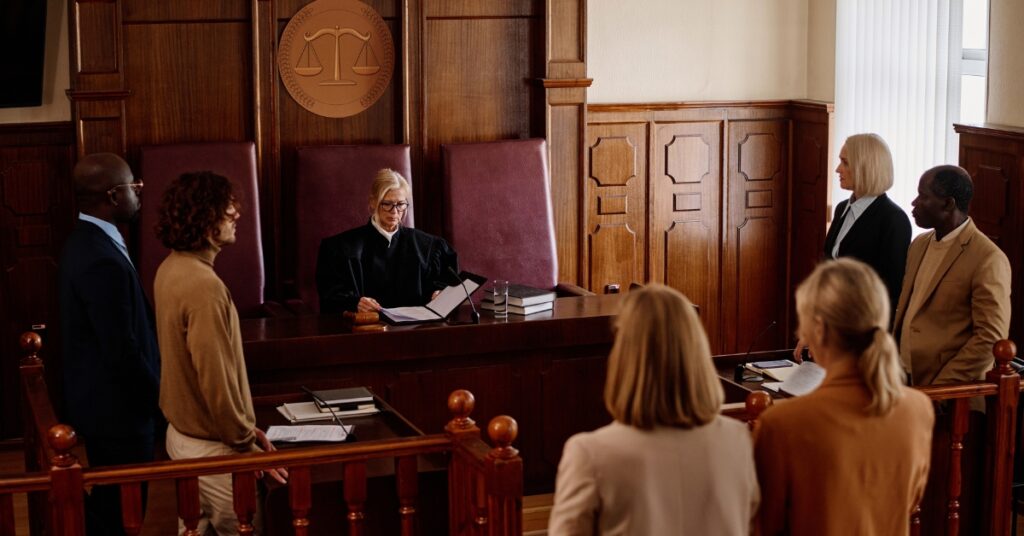
Expungement After Dismissed Charges or Not Guilty Verdicts
If your criminal charges were dismissed or you were found not guilty, you are eligible right away. You don’t have to wait years to file.
This applies to:
- Dismissals without leave
- Voluntary dismissals
- Acquittals by a judge or jury
You can file to have the criminal case removed from your record as soon as the court process ends. If you’ve been through a false accusation or a wrongful arrest, this kind of relief can be powerful.
Expungement After a First-Time Nonviolent Conviction
If you were convicted of a single nonviolent misdemeanor or felony, the law may give you a second chance. But you must meet certain conditions.
You need to:
- Wait at least five years after a misdemeanor conviction
- Wait ten years after a felony conviction
- Complete all sentencing terms, including probation
- Avoid new arrests or other offenses during the waiting period
For example, if you made a mistake when you were 19, served probation, and haven’t been convicted of anything else since, you could now be eligible. This can give you a clean slate just in time to apply for better employment, return to school, or move forward with your life.
Expungement for Certain Drug Offenses Under Age 22
Young people convicted of certain drug crimes before turning 22 may also qualify for expungement under specific statutes.
If you were convicted of:
- Simple possession of marijuana
- Drug paraphernalia
- Other low-level drug offenses
You might be able to have your record sealed, even if it was a conviction. These options exist to help young adults recover from one-time mistakes that shouldn’t define their future.
Expungement After Charges Are Dismissed Due to Completion of a Program
In some criminal cases, charges are dismissed after a person successfully completes a deferred prosecution program or conditional discharge. These are often available for first-time offenders.
Once the case is dismissed, you may be eligible to file for expungement. This can happen right away and doesn’t require a long waiting period.

Talk to a Criminal Defense Attorney in Raleigh
The laws have changed in recent years, making expungement available to more people than ever. But the process is still technical, and mistakes on the paperwork can cost you time.
A local attorney who knows our courts can guide you through each step. Whether your conviction happened years ago or your charges were just dismissed, you owe it to yourself to find out if you’re eligible for expungement.
It could be your first real step toward freedom.
How the Process Works
Expungement isn’t automatic in almost all cases. You must:
- File a petition with the court
- Meet the waiting period
- Avoid new arrests or convictions
- Show the judge that you’ve moved forward with your life
If the judge agrees, your record may be removed from the public record. That’s your shot at a clean record and a fresh start.
Life After Expungement
When your record is expunged, you no longer have to list the expunged conviction on job applications. That alone can change your future.
In North Carolina, where background checks are standard for most jobs, clearing your criminal history can open real doors.
Your past mistake doesn’t have to define your future, but you need the right legal help to move forward.
Scharff Law offers a free consultation to help you understand if you’re eligible and what steps to take.
Reach out today and find out if your criminal record can finally be left behind.
Finding Real Freedom to Move Forward
You’ve done the hard part—facing your charges, going through the court system, and getting through sentencing. But if that criminal record is still holding you back, it’s time to find out if you can truly leave it in the past.
Expungement offers more than a legal fix. It gives you the chance to live without the constant shadow of a mistake.
Why Expungement Changes Everything
When your criminal record is cleared, you open the door to a different future. You no longer have to check that box on job applications or worry about a landlord rejecting you.
With your record expunged, you can:
- Apply to better jobs with confidence
- Rent an apartment without fear of denial
- Go back to school without facing extra hurdles
- Rebuild your life with a clean slate
You deserve the same chance as anyone else to live freely, without old mistakes standing in your way.
What Sets Us Apart at Scharff Law
At Scharff Law, we don’t just walk you through the paperwork. We listen, guide, and advocate for your future every step of the way.
We know what it’s like to want something better for yourself and your family. That’s why we take the time to explain your options clearly and fight hard for the outcome you deserve.
You’ll never feel like just another case file here.
Get Answers Today—Start Moving Forward
You shouldn’t have to keep paying the price for a past mistake. If you’re ready to find out if you’re eligible for expungement, we’re here to help.
Call or text Scharff Law today at (919) 457-1954 for a free consultation. Let’s talk about what’s possible—and how to take the first step toward real freedom.
